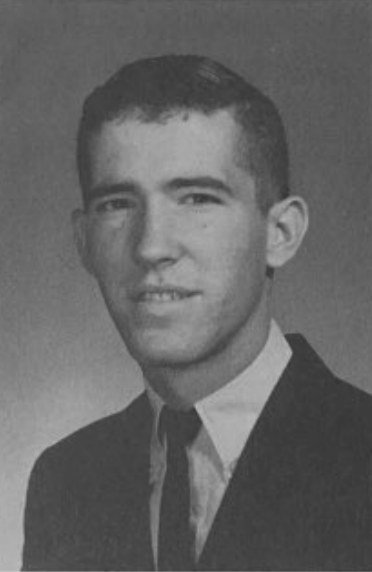
By Larry Griggers, Class of ’66
The phone must have rung five or six times before I realized it wasn’t part of a dream.
It was July 18, 1975, a lazy summer night, and I was sound asleep. I turned on the light and looked at the clock. It was about 3:00 in the morning.
Calls at 3:00 AM are seldom good news.
I picked up the phone and offered an apprehensive, “Hello?”
“The old school is on fire!” my brother Johnny exclaimed.
A knot formed in the pit of my stomach.
“I’m on my way.”
Johnny was a volunteer fireman, and I was a member of the Toombs County Civil Defense team. I often helped with firefighting efforts, and normally there was an adrenaline rush that came with answering a fire call.
But this was different.
This was our school.
I hurriedly dressed and was out the door in a matter of seconds.
When I arrived, three fire trucks were already there, and volunteers were scrambling to put more water on the blazing building. The fire had reached the auditorium, the scene of so many of my high school memories, and pressure was building inside.
Johnny and several other firemen were heading up the steps when someone yelled:
“It’s gonna blow!”
The explosion came almost immediately.
The pressure from the trapped hot gases inside the auditorium blew out the windows. Glass flew across the parking lot and showered Johnny and the other firemen holding the hose. Yellow flames leaped from the great front doors, and thick black smoke poured from the opening.
“Oh, my God,” I said.
I brought my hose to bear on the rolling flames coming through those great doors, doors through which I had passed so many times as a student.
Virginia Yarbrough, who lived on Washington Avenue, would later tell her son Billy that it looked as though the sky was on fire.
It was.
Our past was burning before our eyes.
By then I knew the old building was lost. There was little we could do except contain the fire and keep it from spreading to the Methodist Church nearby. The battle to save LHS had probably been lost before the firemen arrived, but that didn’t stop them from trying.
It was their school, too.
When the fire was finally under control, everyone seemed to be in a daze. Firemen, policemen and spectators simply stood there staring at the smoking ruins. Most of us had gone to school in that building.
And then the memories began to come.
Amazingly, the breezeway where we had gathered between classes was still standing, almost as if it were waiting for another rush of students hurrying to class.
The entrance to the canteen, where we had spent nearly every nickel of our allowances on Cokes and crackers, was obscured by fallen bricks and debris.
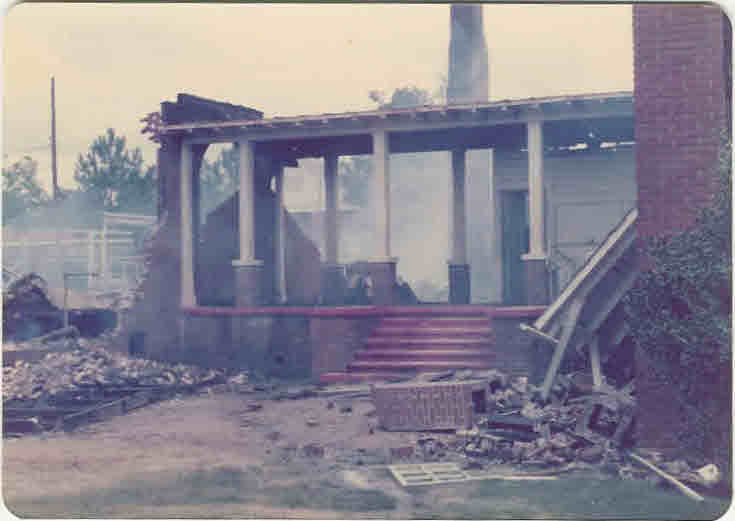
This was the place where we had mingled with friends, complained about schoolwork, gossiped about who was seeing whom, and gathered while the cheerleaders worked everybody into a frenzy before an important ball game.
Now it was covered with charred wood, bricks and rubble.
It was almost impossible to comprehend.
How could this happen?
To our school?
One chimney remained standing amid the ruins. Somehow, in that moment, it seemed almost defiant.
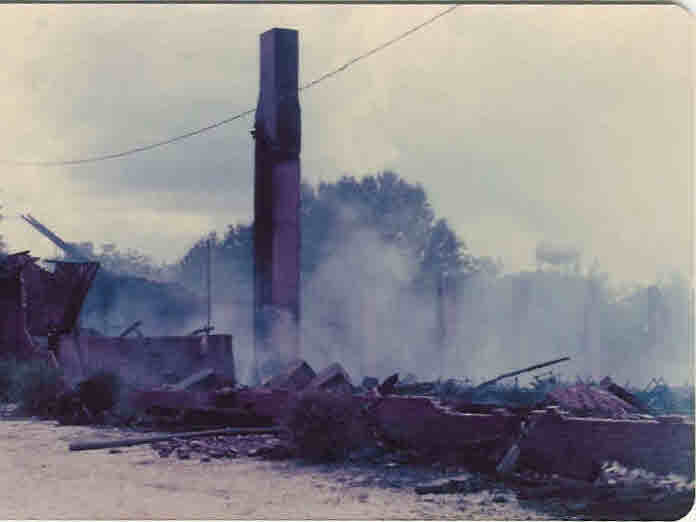
Johnny and I walked through what was left, looking at the remains of desks, filing cabinets, papers, books, chalkboards and all the ordinary things that had once filled a school.
There was something especially sad about seeing those familiar objects scattered among the ruins.
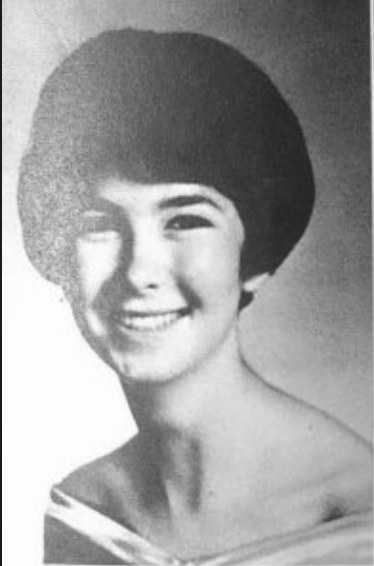
Gail Mayes, Class of ’69, had been teaching there for two years. By then our old high school was serving as Lyons Junior High School. Gail was nearby when the fire broke out, and she took photographs of the ruins while they were still smoldering.
When she later sent the photographs to me, she described one as:
“A tragic view of the old auditorium that held so many pep rallies, recitals, graduations, community events …”
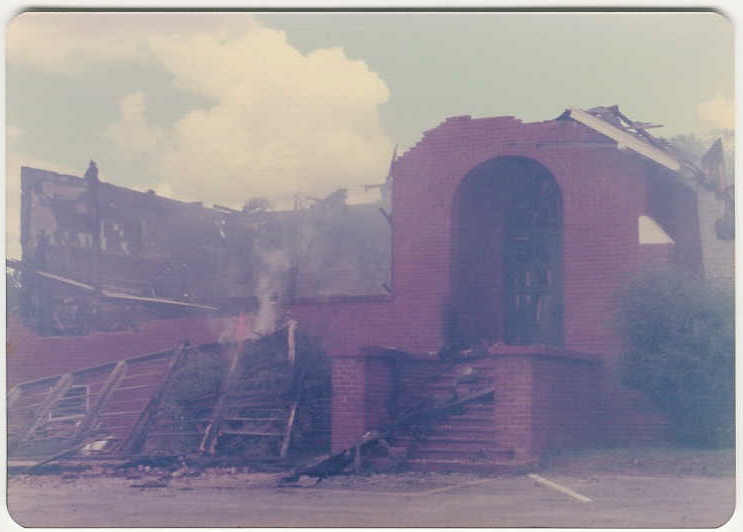
That auditorium had indeed seen a lot of life.
So had the rest of that old school.
LHS was never a grand building. Architecturally, there were probably thousands of schools much like it scattered across America.
But there was only one Lyons High School.
For those of us who walked its halls, sat in its classrooms, gathered in its breezeway, attended pep rallies in its auditorium, bought Cokes at its canteen, cheered for its Bulldogs and formed friendships that would last a lifetime, it was ours.
That was what made watching it burn so painful.
And that is why, more than fifty years later, those photographs still affect me.
The building we knew was destroyed that night, but the things that made Lyons High School special were never contained entirely within its walls.
They live in our stories.
They live in our friendships.
And they live in the memories of those of us fortunate enough to have called LHS our school.
My thanks to Gail Mayes, Class of ’69, for preserving and sharing her photographs of the fire and its aftermath.
Larry Griggers
Class of ’66